Emergency Cooling Guide: What to Do Before Help Arrives
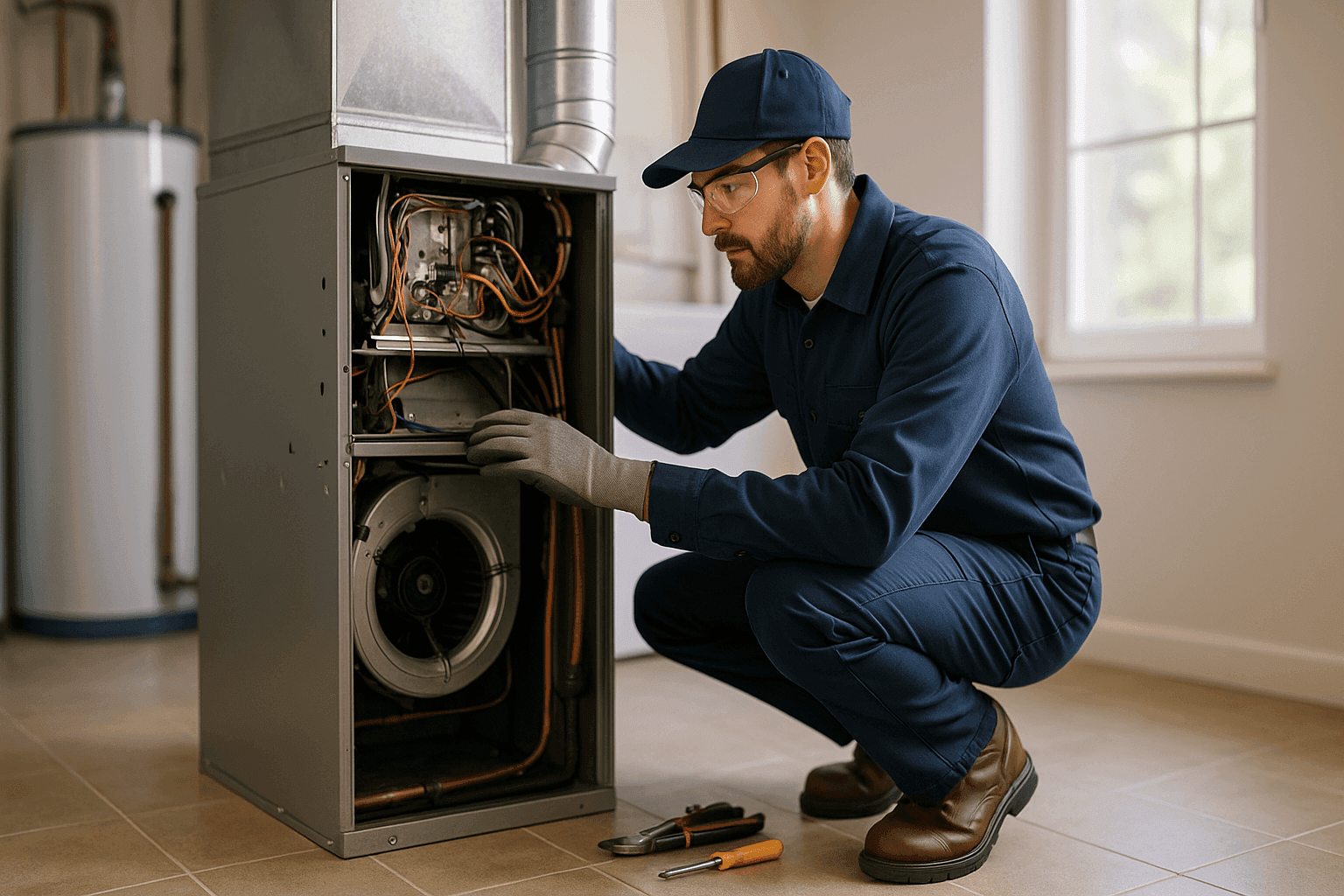
The air stands still. Sweat beads on your forehead. Your cooling system just gave up, and the heat isn’t backing down. Whether you’re at home or managing a business, an emergency cooling failure is more than an inconvenience—it’s a race against discomfort, property damage, and, sometimes, real danger.
At Northwind Cooling, we know how overwhelming those first minutes can feel. That’s why we’re here 24/7, ready to respond when your mini-split, HVAC, or AC unit fails. But before our team arrives, what should you do to keep your property and everyone in it safe?
Recognizing a Cooling Emergency
Not every cooling issue needs a midnight call—but some do. Knowing the difference is crucial, especially when lives or valuable equipment are at stake.
What counts as a true emergency?
- AC failure during a heatwave: Indoor temps rising above 85°F can threaten the health of children, the elderly, or anyone with medical conditions.
- Electrical burning smell: If you detect a sharp, acrid odor, turn off your system immediately. This can signal a serious electrical problem and potential fire risk.
- Visible leaks or pooling water: Water near your AC or HVAC could mean a refrigerant or condensate leak, both of which can damage floors and create slip hazards.
- No airflow at all: If all fans and vents stop working, especially in commercial settings with sensitive electronics or perishable goods, act fast.
- Strange noises (grinding, banging): Loud, sudden noises often indicate failing internal parts that could lead to more severe breakdowns.
If you’re experiencing any of these, it’s not just uncomfortable—it’s urgent. 🛑
Immediate Steps to Take: Your Emergency Cooling Checklist
Before Northwind Cooling’s technicians arrive, a few calm, careful actions can prevent bigger problems:
- Turn off the system at the thermostat and breaker panel if you smell burning, notice leaks, or hear alarming noises.
- Check your breaker panel: Sometimes, a tripped breaker is the culprit. If it trips again after resetting, leave it off and call for help.
- Keep doors and windows closed to trap cool air, unless you need to ventilate smoke or electrical smells.
- Avoid DIY fixes: Don’t open panels, touch wiring, or attempt repairs—leave that to certified professionals.
- Set up fans for airflow but avoid using them near water leaks.
- Move vulnerable people (kids, pets, elderly) to a cooler, shaded space or a neighbor’s home if indoor temps spike.
- Unplug sensitive electronics if you suspect an electrical issue.
A few smart moves now can save you a world of trouble later. 📝
When to Call the Pros
Some issues can’t wait. Here’s when professional help is non-negotiable:
- Suspected refrigerant leak: Refrigerants can be hazardous. Only certified technicians can handle them safely (per EPA Section 608 guidelines).
- Repeated power issues: If your system keeps tripping breakers, there may be deeper electrical faults.
- Commercial refrigeration or server room cooling loss: Quick action is crucial to prevent inventory loss or equipment failure.
- AC won’t restart after basic resets: If the unit remains unresponsive, further attempts can worsen the damage.
- Any sign of smoke or fire: Evacuate and call emergency services immediately, then contact Northwind Cooling.
Don’t gamble with your health or your property—call for rapid-response service.
Safety Precautions: Keeping Cool While You Wait
High heat can sneak up on you. Here’s how to stay safe and comfortable while help is on the way:
- Use portable fans to keep air circulating, but never overload outlets.
- Hydrate often—heat exhaustion sets in faster than you think.
- If you use a generator, keep it outside, at least 20 feet from doors and windows, to avoid deadly carbon monoxide buildup (CDC guidelines).
- Open windows at night if outdoor temps drop, but secure them before dawn.
- Avoid stove or oven use—they’ll only heat things up faster.
- Monitor indoor temps with a thermometer; if they exceed 90°F, seek cooler shelter.
One fan can feel like a lifeline in the thick of summer. Just use it wisely. 🌬️
Why Northwind Cooling? Our Commitment to Rapid Response
Crises don’t wait for business hours. That’s why Northwind Cooling is on call around the clock, ready to dispatch certified technicians to homes and businesses—no matter the hour. We prioritize emergencies with a streamlined dispatch system and rigorously follow safety codes set by the National Fire Protection Association (NFPA) and OSHA.
Whether you need emergency AC repair, generator installation, or air quality solutions, our team brings deep expertise and a calm, professional presence to every call.
Preventing Future Cooling Emergencies
The best emergency is the one that never happens. Here’s how to reduce your risk:
- Schedule regular HVAC maintenance—don’t wait for something to break.
- Change filters every 1–3 months to keep airflow steady.
- Ask about home energy audits to spot system weaknesses before they cause trouble.
- Have your generator inspected annually for reliable backup power.
- Consider upgrading to a mini-split or whole-house fan for more resilient, efficient cooling.
A little prevention goes a long way. Regular check-ups are like oil changes for your comfort.
Costs & Time Factors: What to Expect
Emergency cooling repairs can be unpredictable. Factors like the type of system, severity of failure, and time of day all affect the timeline and cost.
- After-hours and holiday calls may take longer or incur higher labor rates.
- Complex repairs (e.g., major parts, refrigerant handling) can extend service time.
- Quick fixes (like a tripped breaker or simple filter swap) might be resolved in under an hour.
- Replacement parts availability can affect repair speed.
There’s no one-size-fits-all, but Northwind Cooling always communicates clearly about next steps—so you aren’t left guessing.
When It’s an Emergency: Red Flags to Never Ignore
- Anyone in your home or business shows signs of heat stroke: confusion, rapid pulse, nausea.
- Smoke, sparks, or burning smells from your cooling equipment.
- Flooding near equipment (electrical risk).
- Severe weather with power loss and no generator backup, especially for vulnerable populations.
If you spot any of these, don’t hesitate—get help immediately.
Emergency Cooling FAQ
How fast can Northwind Cooling respond?
We offer true 24/7 emergency service, prioritizing the most urgent calls—often arriving within hours.
Is it safe to run a fan if my AC is down?
Yes, but never use fans near water or if you smell burning. Keep outlets clear and avoid daisy-chaining extension cords.
What’s the difference between a regular AC repair and an emergency call?
Emergencies involve immediate risks to safety, health, or property—like heatwaves, electrical smells, or system failures in critical environments.
Do you handle commercial cooling emergencies as well as residential?
Absolutely. Northwind Cooling is equipped for both homes and businesses, including server rooms, retail, and office spaces.
Local & Seasonal Considerations
In summer, emergencies spike as temperatures soar and systems work overtime. In winter, malfunctioning heat pumps or poorly balanced systems can cause freezing or dangerous humidity swings.
- Plan ahead: Schedule tune-ups in spring and fall.
- During wildfire season: Indoor air quality can deteriorate fast. Our IAQ testing and air scrubbers help protect your air when outdoor smoke invades.
- Hurricane or storm season: Generator maintenance is key for reliable emergency power.
From sweltering July afternoons to stormy October nights, Northwind Cooling is here for you—every season, every hour.
When the unexpected strikes, a calm head and the right steps can make all the difference. For rapid, professional emergency cooling service—day or night—
Call Northwind Cooling now — or reach us anytime at 888-850-5254 .