Essential Guide to Whole-Home Cooling Efficiency and Energy Savings
When the heat outside feels like a thick blanket pressing against your windows, your home should be a cool retreat. But if your cooling system is struggling, energy bills climb and comfort slips away. At Northwind Cooling, we know how important it is to keep your space reliably cool—day or night, even when you need emergency cooling.
This guide will walk you through practical steps to boost your whole-home cooling efficiency, control costs, and spot trouble before it becomes a crisis. Whether you’re a homeowner or a small business owner, you’ll find tips you can use right away.
Understanding Whole-Home Cooling Systems ❄️
Every home is unique, and so are its cooling needs. Think of your cooling system as the heart of your comfort—circulating cool air, balancing humidity, and filtering out dust. Here’s a quick look at the main types of whole-home cooling systems:
Central Air Conditioning
Central AC is the classic choice for many homes and businesses. It uses a network of ducts to distribute cool air throughout the building. The main components are:
- Outdoor compressor unit
- Indoor evaporator coil
- Ductwork and vents
- Thermostat controls
Central AC is powerful and consistent, but it needs good ductwork and regular maintenance to avoid energy waste.
Ductless Mini-Split Systems
Mini-splits are like the Swiss Army knife of cooling—versatile and efficient. They use small indoor units connected to an outdoor compressor, and don’t require ducts. Benefits include:
- Zoned cooling (control temperatures in different rooms)
- Easy installation
- High efficiency
Mini-splits are great for additions, older homes, or spaces where ductwork isn’t practical.
Whole-House Fans
A whole-house fan acts like a giant exhaust, pulling cool air in through open windows and pushing hot air out through the attic. They use much less energy than AC and work best when temperatures drop at night.
- Fast air exchange
- Lower energy use
- Works with open windows
Each system has its strengths. The right fit depends on your building’s size, layout, and your comfort goals.
Energy-Saving Maintenance Tips
A well-maintained system runs smoother, uses less energy, and lasts longer. It’s like keeping your car tuned up—small steps make a big difference over time.
Replace Air Filters Regularly
Dirty filters choke airflow. Your system works harder, wasting energy and wearing out faster. Check filters every month during heavy use and replace them at least every 2–3 months. Look for filters with a MERV rating that fits your system’s specs (see your manufacturer’s guide or the EPA’s recommendations).
Schedule Duct Cleaning
Dust, pet hair, and even mold can build up in your ducts. This not only affects air quality but also blocks airflow. Professional duct cleaning removes these blockages and helps your system run efficiently.
Annual HVAC Tune-Ups
Just like a yearly check-up, a professional HVAC tune-up can catch problems early. A technician will:
- Inspect and clean coils
- Check refrigerant levels
- Test electrical connections
- Lubricate moving parts
These steps help prevent breakdowns and keep your system running at peak performance.
Keep Outdoor Units Clear
Trim back plants and remove debris around your outdoor unit. Blocked airflow can cause overheating and reduce efficiency.
Check for Leaky Ducts
Leaky ducts can lose up to 30% of cooled air (according to ENERGY STAR). Sealing and insulating ducts is one of the most cost-effective ways to boost efficiency.
Smart Thermostat and Air Balancing Benefits
Technology and airflow matter more than ever. Smart thermostats and air balancing can make your system work smarter—not harder.
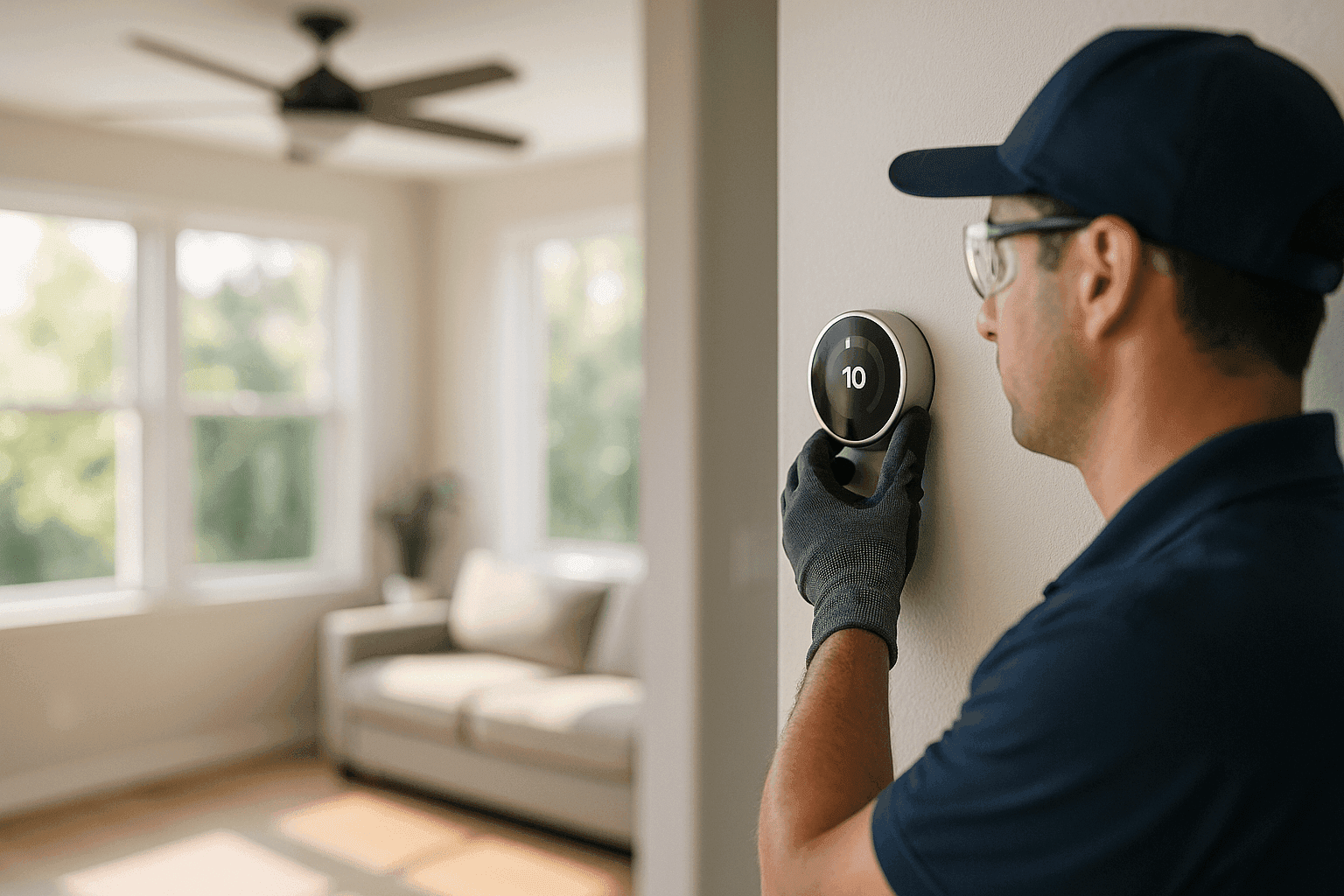
Smart Thermostats: Set It and Save
Smart thermostats learn your schedule and adjust temperatures automatically. They can help you:
- Cut energy use by cooling less when you’re away
- Control settings from your phone
- Track energy use over time
According to the U.S. Department of Energy, setting your thermostat 7–10°F higher for 8 hours a day can save up to 10% a year on cooling.
Air Balancing: Even Comfort Everywhere
Ever notice one room is freezing while another feels stuffy? That’s where air balancing comes in. Professionals adjust dampers and vents so air flows evenly throughout your space. The result: no more hot spots or chilly corners.
Why It Matters
Balanced airflow and smart controls mean your system doesn’t have to work overtime. That means lower bills and longer equipment life.
Choosing the Right Cooling Solutions for Your Home
No two homes—or businesses—are alike. The best system for you depends on several key factors:
- Size and layout: Large, open spaces may need central AC, while smaller or segmented areas could benefit from mini-splits.
- Insulation and windows: Well-insulated buildings hold cool air better, reducing demand on your system.
- Existing ductwork: If your ducts are old or leaky, upgrading or switching to ductless might save money in the long run.
- Budget and energy goals: Consider initial costs, long-term savings, and available rebates for high-efficiency equipment.
Comparing Options
- Central AC: Best for whole-home coverage, especially if ducts are in good shape.
- Mini-Splits: Flexible, efficient, and great for additions or homes without ducts.
- Whole-House Fans: Low-cost, energy-saving supplement for cooler evenings.
A professional assessment can help you weigh these options and choose what fits your needs best.
Seasonal Preparation and Emergency Tips 🛠️
Extreme weather can push your cooling system to the limit. Here’s how to stay ready year-round—and what to do if things go wrong.
Seasonal Preparation Checklist
- Test your system early: Don’t wait for the first heatwave. Run your AC in spring to catch issues early.
- Check thermostat batteries: Dead batteries can cause surprise shutdowns.
- Clear vents and registers: Don’t block airflow with furniture or rugs.
- Inspect insulation and weatherstripping: Keep cool air in and hot air out.
- Schedule a professional tune-up: Before peak season hits.
Emergency Cooling Tips
- If your AC stops working: Turn it off to prevent further damage. Check your circuit breaker and thermostat settings.
- Use fans and open windows (if safe): Circulate air and let in cooler evening air.
- Close blinds and curtains: Block out heat from the sun.
- Stay hydrated: Heat can sneak up on you indoors.
If your system won’t start or is blowing warm air, it may be time to call for emergency cooling service. Quick action can prevent bigger problems and keep you safe.
Quick Safety Checklist
- Never bypass safety switches or try to repair electrical components yourself.
- Make sure your smoke and carbon monoxide detectors are working.
- Keep flammable materials away from outdoor units.
- If you smell burning or see sparks, turn off the system and call for help.
- Know where your main power shutoff is located.
DIY vs. Call a Pro
Some tasks are safe for DIY—like changing filters or clearing debris. But deeper issues need a trained eye. Here’s when to call Northwind Cooling:
- Strange noises, burning smells, or repeated shutdowns
- Ice on coils or refrigerant lines
- Poor airflow in multiple rooms
- Electrical issues or tripped breakers
Professional technicians follow industry standards (like those from the Air Conditioning Contractors of America and National Fire Protection Association) to keep your system safe and efficient.
What Pros Do On Arrival
When you call for help, here’s what to expect:
- Thorough inspection: Checking all components, inside and out.
- Diagnostic testing: Measuring refrigerant, airflow, and electrical performance.
- Clear explanations: Sharing findings and recommended steps.
- Safe, code-compliant repairs: Using approved parts and following safety guidelines.
A good technician won’t just fix the immediate problem—they’ll help you understand what caused it and how to prevent it in the future.
Prevention & Maintenance
Routine care is the secret to lasting comfort and low bills. Here’s how to build a maintenance routine:
- Monthly: Check and replace filters, clear vents, and check thermostat settings.
- Seasonally: Test your system, clean outdoor units, and check insulation.
- Annually: Schedule a professional tune-up, have ducts inspected, and review your energy use.
Regular maintenance can catch small issues before they become emergencies, extend equipment life, and keep your air clean.
Costs & Time Factors
Cooling costs add up—both in energy use and repairs. Here’s what affects the bottom line:
- Energy bills: High bills often signal inefficiency. Upgrading insulation, sealing ducts, or installing a smart thermostat can pay off.
- Maintenance costs: Routine service is more affordable than emergency repairs. Annual tune-ups typically take 1–2 hours.
- Repair costs: These vary by problem, but catching issues early saves money in the long run.
- Replacement: New systems are an investment, but high-efficiency models can lower bills over time.
Remember, emergency cooling service may cost more due to after-hours labor or urgent parts. But fast response can prevent bigger, costlier damage.
When It’s an Emergency
Sometimes, waiting isn’t an option. Call for emergency cooling if:
- The system won’t start and indoor temps are rising fast
- You smell burning or see smoke
- Water is leaking from the unit or ceiling
- Vulnerable people (children, elderly, health conditions) are at risk from heat
Safety always comes first. Emergency cooling service is designed to restore comfort and prevent hazards—fast.
FAQ
How often should I replace my air filter?
Most filters need replacing every 2–3 months, but check monthly during heavy use or if you have pets or allergies.
Why is one room always hotter than the others?
This could be a sign of duct leaks, blocked vents, or poor air balancing. A professional can diagnose and correct the issue.
Are smart thermostats worth it?
Yes—smart thermostats can lower energy bills, improve comfort, and give you more control over your system.
What’s the best way to prepare for summer heat?
Test your system early, schedule a tune-up, and check insulation and weatherstripping to keep cool air in.
Special Considerations for This Service
Whole-home cooling isn’t just about comfort—it impacts indoor air quality, energy use, and even your health. Systems must meet building codes and manufacturer guidelines for safety and efficiency. Always have electrical and refrigerant work done by certified professionals. For businesses, regular maintenance can prevent downtime and protect sensitive equipment.
Call Northwind Cooling now — or reach us anytime at 888-850-5254 .