Mini-Split vs. Central AC: Which Cooling System Fits Your Needs?
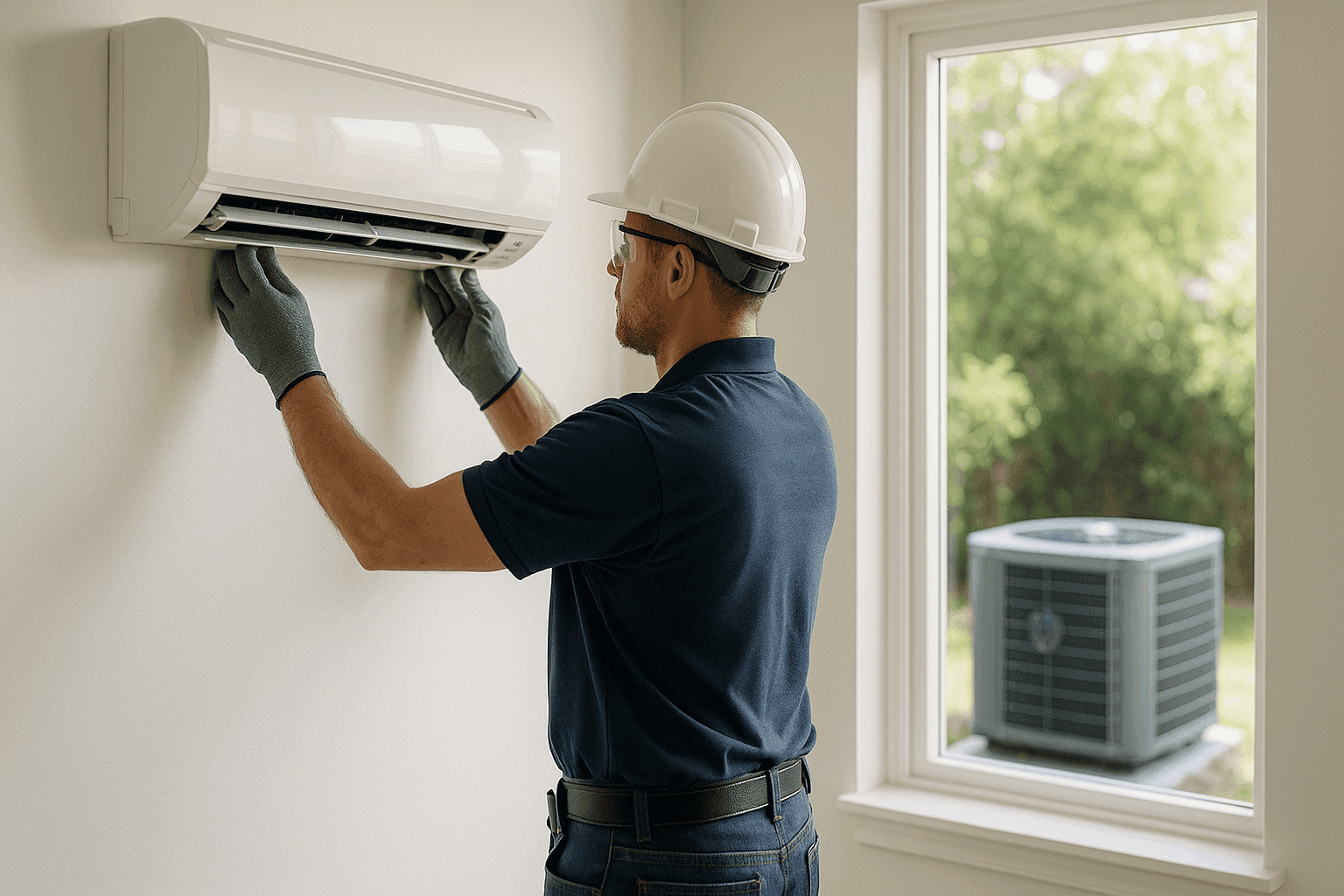
Feeling hot and frustrated? You’re not alone. Choosing the right cooling system can feel like navigating a maze. Whether you’re managing a busy workplace, cooling your family home, or planning an addition, picking between a mini-split or a central AC is a big decision.
At Northwind Cooling, we know the stakes are high—especially when the heat is relentless or you’re facing an emergency cooling situation. Let’s break down the facts, so you can make a choice that keeps you comfortable for years to come.
Overview of Mini-Split Systems 🛠️
Mini-splits, sometimes called ductless systems, are like precision tools for your indoor climate. Each system has two main parts: an outdoor compressor/condenser and indoor air-handling units. These connect with a small line, not bulky ductwork.
How does this help you?
- Zone control: Cool (or heat) only the rooms you use.
- Flexibility: Great for additions, offices, garages, or older homes.
- Fast installation: No need to tear apart walls for ducts.
Mini-splits shine when you need targeted comfort without a whole-house overhaul. According to the U.S. Department of Energy, mini-splits are ideal when ductwork is impractical or too expensive to install.
Key Features:
- Wall, ceiling, or floor-mounted indoor units.
- Remote and smart thermostat options.
- High efficiency ratings (SEER2 and above).
Potential Drawbacks:
- Multiple indoor units can affect aesthetics.
- Upfront cost per room can add up.
- Needs routine cleaning of filters and coils.
Central AC Explained
Central air conditioning is the classic choice—tried, tested, and powerful. It uses one large outdoor unit and a system of ducts running through your building to distribute cooled air. Think of it as a river carrying coolness to every part of your home or office.
How does this help you?
- Uniform comfort: Set one temperature for the whole space.
- Invisible delivery: All the tech is tucked away, out of sight.
- Works with existing ductwork: If you already have ducts, installation is smoother.
Central AC is a go-to for larger properties and spaces with existing ventilation. The Air Conditioning Contractors of America (ACCA) recommend proper sizing and duct inspection for optimal performance.
Key Features:
- Powerful cooling for multiple rooms.
- Central thermostat control.
- Can include whole-house air filtration.
Potential Drawbacks:
- Duct leaks can waste energy.
- Less flexible for zoning or additions.
- Maintenance can be more involved (duct cleaning, filter changes).
Comparing Energy Efficiency
Energy bills can soar in summer. The right system can keep costs in check.
Mini-Splits:
- Often more efficient for spot cooling and zoning.
- No ducts means no energy lost to leaks—according to ENERGY STAR, duct losses can account for over 30% of energy consumption in central systems.
- Inverter-driven compressors adjust speed to match demand, saving power.
Central AC:
- New high-SEER systems can be efficient for large, open layouts.
- Centralized operation can be wasteful if you only need to cool certain rooms.
- Ductwork must be well-sealed and insulated for best performance.
Practical Tip:
Look for ENERGY STAR-labeled equipment and check local energy codes (such as International Residential Code guidelines) before making a choice.
Installation and Maintenance Needs 🧰
Mini-Split Installation:
- No ducts required—less disruption to your home or business.
- Installation often takes a day or less, depending on the number of zones.
- Needs a small outdoor space and mounting for each indoor unit.
Central AC Installation:
- Requires ductwork—can be complex in older or multi-level buildings.
- May involve clearing out old insulation or updating vents.
- Longer install times, sometimes several days for retrofits.
Maintenance Considerations:
- Mini-Splits: Clean filters monthly, wipe indoor units, check refrigerant lines annually.
- Central AC: Change filters every 1–3 months, schedule annual duct cleaning, inspect for leaks or blockages, and test thermostats.
Both systems benefit from regular professional maintenance—especially before peak cooling season.
Cost Considerations
Upfront Costs:
- Mini-Splits: Higher cost per zone, but installation is usually less invasive.
- Central AC: More economical if you’re cooling an entire space and already have ducts.
Long-Term Costs:
- Mini-splits often use less power for targeted cooling, lowering monthly bills.
- Central AC can be more cost-effective for large, open spaces—if ducts are tight and well maintained.
Other Factors:
- Utility rebates may be available for high-efficiency models (check with your local utility company).
- Consider the cost of electrical upgrades or generator installation for backup during outages.
Ideal Use Cases 🏢
Mini-Splits:
- Older homes without ducts.
- Room additions, garages, workshops.
- Offices with uneven cooling needs.
- Historic buildings where ductwork isn’t feasible.
Central AC:
- Modern homes and offices with existing ductwork.
- Large, open commercial spaces.
- Families or businesses wanting a consistent, whole-building temperature.
Emergency Cooling:
- Mini-splits can be installed quickly when fast relief is needed.
- Central AC repairs can take longer if duct issues are involved.
Indoor Air Quality and Zoning
Mini-Splits:
- Each unit has its own filter—easy to clean or replace.
- Less risk of dust or mold spreading through ducts.
- Can include IAQ upgrades like air scrubbers or dehumidifiers.
Central AC:
- Filters air for the whole building, but ducts must be clean to avoid spreading allergens.
- Advanced systems offer air balancing and humidity control.
Tip:
Schedule regular IAQ testing and consider adding air purification or balancing zones for best results.
Quick Safety Checklist
- Always follow manufacturer instructions and local building codes (per International Mechanical Code).
- Ensure proper electrical connections—hire a licensed electrician for generator or thermostat installation.
- Never block vents or mini-split air handlers.
- Change or clean filters regularly to prevent airflow issues.
- Schedule professional maintenance before peak season.
Practical Tips Before You Decide
- Evaluate your property—do you need to cool all rooms or just a few?
- Check the age and condition of existing ductwork if considering central AC.
- Think about future needs—will your space expand or change?
- Consider emergency cooling options, especially if downtime isn’t an option.
- Consult with a licensed HVAC professional for a load calculation (per ACCA Manual J standards).
When It’s an Emergency
If your cooling system fails in the middle of a heatwave, every minute counts.
- Mini-splits can be a fast, targeted solution—especially for critical rooms.
- Central AC repairs may take longer, especially if duct or electrical work is needed.
Northwind Cooling provides 24 hour emergency cooling and repair services to keep your space safe and comfortable, day or night.
FAQs
Can I install a mini-split myself?
It’s not recommended. Installing refrigerant lines and wiring should be done by a licensed professional per EPA Section 608 guidelines.
How often should I clean or change filters?
Mini-split filters: every month. Central AC: every 1–3 months, depending on use and local air quality.
Will a mini-split heat as well as cool?
Most modern mini-splits offer both cooling and heating. Always check the system’s rating for your climate zone.
Does central AC improve air quality?
It can, if ducts and filters are kept clean. Consider regular duct cleaning and adding IAQ enhancements.
Local/Seasonal Considerations 🌦️
Hot, humid summers? Dry, dusty air?
- Mini-splits handle humidity well and can be paired with dehumidifiers.
- Central AC is ideal for consistent, whole-building comfort—but needs regular duct inspections in dusty or humid regions.
Seasonal pollen and wildfire smoke?
- Look for systems with advanced filtration and schedule IAQ testing, especially if anyone in your building has allergies or asthma.
The Bottom Line
Choosing between a mini-split and a central AC is like picking the right tool for the job.
- Mini-splits offer flexibility, zoning, and easy installation—perfect for targeted spaces or when ductwork isn’t practical.
- Central AC delivers uniform comfort and works best in buildings with existing ducts and open layouts.
Either way, regular maintenance and a clear understanding of your cooling needs are essential for comfort, efficiency, and indoor air quality.
Call Northwind Cooling now — or reach us anytime at 888-850-5254 .