The Ultimate Guide to Improving Indoor Air Quality for Healthier Homes and Businesses
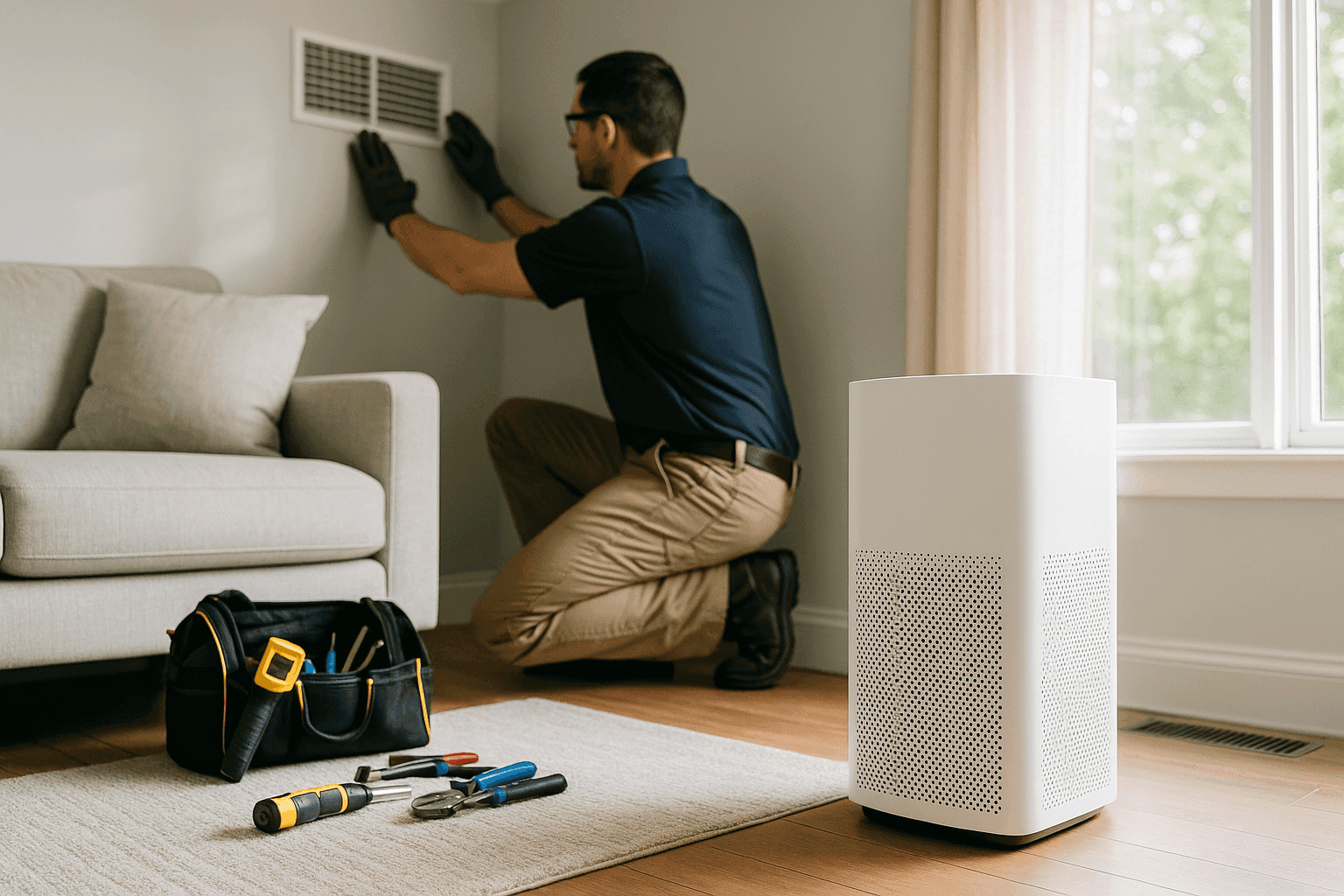
Breathe in. Feel the air around you. Is it crisp and fresh—or heavy and stale? For many homeowners and small business owners, indoor air quality (IAQ) is invisible until it becomes a problem. Allergies flare up. Headaches linger. Comfort slips away.
At Northwind Cooling, we know that clean air isn’t just a luxury—it’s essential. From emergency cooling to everyday comfort, your air matters. This guide will walk you through the essentials of IAQ, so you can enjoy healthier, happier spaces all year round.
Why Indoor Air Quality Matters
Think of your home or business as a living, breathing organism. The air inside flows through every room, carrying not just comfort but also invisible guests—dust, pollen, mold spores, chemical fumes, and more. According to the U.S. Environmental Protection Agency (EPA), indoor air can be two to five times more polluted than outdoor air. That’s a wake-up call.
Poor IAQ can cause:
- Fatigue and headaches
- Aggravated asthma and allergies
- Unpleasant odors
- Lower productivity
- Long-term health risks
For families, employees, and customers, the air you share shapes your well-being. Clean air means fewer sick days, clearer thinking, and better living.
Key Factors Affecting Indoor Air Quality
Several elements work together to shape the air you breathe indoors. Here’s what you need to know:
Ventilation
Fresh air in, stale air out. Proper ventilation is like opening a window on a stuffy day—except it works even when the windows are closed. Mechanical ventilation systems, like whole-house fans or balanced HVAC setups, keep air moving and dilute indoor pollutants.
Filtration
Your HVAC filter is the gatekeeper. It catches dust, pollen, pet dander, and even some bacteria. But not all filters are created equal. High-efficiency filters (like MERV 13 and above) trap more particles, but they also need regular replacement to avoid airflow problems.
Humidity Control
Humidity is the Goldilocks of indoor comfort—not too dry, not too damp. High humidity fuels mold and dust mites. Low humidity dries out skin and respiratory passages. Humidifiers and dehumidifiers help keep it just right, usually between 30% and 50% relative humidity (ASHRAE recommendation).
Pollutant Sources
Some pollutants sneak in from outside. Others start indoors—cleaning products, paints, cooking fumes, and even furniture. Identifying and controlling these sources is critical for long-term IAQ.
Quick Safety Checklist for Healthier Air 🛡️
- Change HVAC filters every 1–3 months
- Schedule professional duct cleaning every 3–5 years
- Use exhaust fans in kitchens and bathrooms
- Keep humidity between 30–50%
- Store chemicals and paints outside living areas
- Regularly test for carbon monoxide and radon
- Inspect and clean air purifiers and air scrubbers
- Have your HVAC system serviced annually
DIY or Call a Pro? Knowing Your Limits
Some tasks are perfect for a Saturday afternoon. Others need a steady hand and expert eyes.
What You Can Do Yourself
- Swap out air filters regularly
- Clean vent covers and registers
- Use portable air purifiers
- Monitor humidity with a hygrometer
- Open windows when weather allows
When to Call a Professional
- Duct cleaning and sanitization
- HVAC system inspections and deep cleaning
- IAQ testing for hidden mold, VOCs, or allergens
- Installing whole-house fans, air scrubbers, or advanced filtration
- Emergency cooling repairs or upgrades
If you’re not sure what’s lurking in your vents—or if your system is making odd noises—professional help can save time, money, and headaches.
What Professionals Do On Arrival
When Northwind Cooling arrives, we don’t just glance at your thermostat. We take a holistic approach to IAQ, using industry-standard protocols.
Step-by-Step Process
- Initial Assessment: We listen to your concerns, check for visible signs of trouble, and measure air quality using calibrated meters.
- Duct Inspection: Using cameras and airflow meters, we look for dust buildup, leaks, and blockages.
- HVAC System Check: We inspect filters, coils, fans, and condensate drains for dust, mold, or wear.
- IAQ Testing: We sample for mold spores, volatile organic compounds (VOCs), carbon monoxide, and other hidden threats.
- Custom Recommendations: Based on findings, we suggest targeted solutions—whether it’s a deep duct cleaning, new filtration, or humidity control.
We follow guidelines from organizations like the National Air Duct Cleaners Association (NADCA) and the American Society of Heating, Refrigerating and Air-Conditioning Engineers (ASHRAE).
Prevention & Maintenance: Keeping Air Fresh Year-Round
A little routine care goes a long way. Here’s how to keep your indoor air in top shape:
HVAC and Filter Maintenance
- Change filters: Set a reminder to replace filters every 1–3 months, more often if you have pets or allergies.
- Clean vents: Dust and vacuum registers to prevent recirculation of debris.
- Annual tune-ups: Have your HVAC system inspected and cleaned yearly for maximum efficiency.
Duct Cleaning
Ducts are the lungs of your building. Over time, dust, pet hair, and even mold can collect inside. Professional cleaning every few years removes these pollutants and helps your system run smoother.
Air Scrubbers
Air scrubbers are like vacuum cleaners for the air. They use advanced filtration and sometimes UV light to capture and neutralize pollutants, bacteria, and odors. These are especially valuable in high-traffic areas or after renovations.
Humidifiers & Dehumidifiers
Balance is key. If your air feels dry and scratchy, a humidifier can help. If you notice musty smells or condensation, a dehumidifier is your friend. Both help maintain comfort and prevent mold.
Whole-House Fans
These fans pull fresh air through your home and push out stale air, especially useful in mild weather. They’re a powerful ally for ventilation and can even help with emergency cooling during power outages if paired with a generator.
Seasonal Tips
- Spring/Summer: Pollen and humidity spike. Clean filters and use dehumidifiers.
- Fall/Winter: Dust and dry air increase. Use humidifiers and keep vents clear.
- Allergy season: Run HEPA air purifiers and keep windows closed on high pollen days.
- Extreme weather: Check for leaks and seal drafts to keep outdoor pollutants at bay.
Costs & Time Factors: What to Expect
Every building is unique, so costs and timelines vary. Here’s a general idea:
- Filter replacements: Low cost, takes minutes
- Duct cleaning: Moderate cost, usually 2–4 hours
- Air scrubber installation: Moderate to high, 1–3 hours
- IAQ testing: Moderate, results in a few days
- HVAC maintenance: Moderate, 1–2 hours
Investing in IAQ pays off with fewer repairs, lower energy bills, and better health.
When It’s an Emergency
Sometimes, poor air quality isn’t just uncomfortable—it’s urgent. Here’s when to act fast:
- Sudden chemical smells: Evacuate and call for help. Could signal gas leaks or electrical issues.
- Visible mold growth: Can spread quickly and trigger health problems.
- HVAC failure during extreme heat or cold: Emergency cooling or heating is vital for safety.
- Smoke or burning smells: Shut off the system and call for immediate inspection.
Northwind Cooling offers 24-hour emergency service for these situations. Quick response can prevent bigger problems down the road.
Frequently Asked Questions
How often should I replace my HVAC filter?
Most filters should be replaced every 1–3 months. If you have pets, allergies, or run your system often, check monthly.
Do air purifiers really work?
Yes—especially those with HEPA filters or air scrubbers. They capture particles and reduce allergens, but they work best as part of a full IAQ strategy.
Is duct cleaning really necessary?
If you notice dust buildup, musty smells, or increased allergies, duct cleaning can help. NADCA recommends it every 3–5 years, or sooner for homes with pets or recent renovations.
What’s the best way to test indoor air quality?
Professional IAQ testing uses calibrated instruments to detect mold, VOCs, carbon monoxide, and other threats. DIY kits are available but less accurate.
Special Considerations for Homes and Businesses
Every space is different. Homes with kids or pets, businesses with high foot traffic, and buildings with older HVAC systems all have unique IAQ needs.
- Allergy-prone households: Use HEPA filters and run air purifiers in bedrooms.
- Small businesses: Schedule regular IAQ checks to protect staff and customers.
- Older buildings: Watch for lead paint, asbestos, or outdated ductwork.
- Generators: Proper installation and maintenance prevent carbon monoxide risks during power outages.
Refer to guidelines from the EPA, ASHRAE, and NADCA for best practices. When in doubt, consult a professional.
Ready to breathe easier? Call Northwind Cooling now — or reach us anytime at 888-850-5254 .